
On September 12, PEC 2026 was held at Zhongzhiyuan, Zhongguancun Dongsheng Science and Technology Park, Beijing. Under the theme “Won Token, Won World,” the conference focused on the Token ecosystem, the real-world adoption of large language models (LLMs), and private local AI deployment. Infplane was invited to participate in the second roundtable of the main forum, “Local AI.” Infplane CMO Zhanling Chen joined representatives from AMD, MiniMax, Dell Technologies, Inspur, and other companies to discuss the respective roles of Local AI and cloud AI, edge inference capabilities, and Token costs for local deployment.
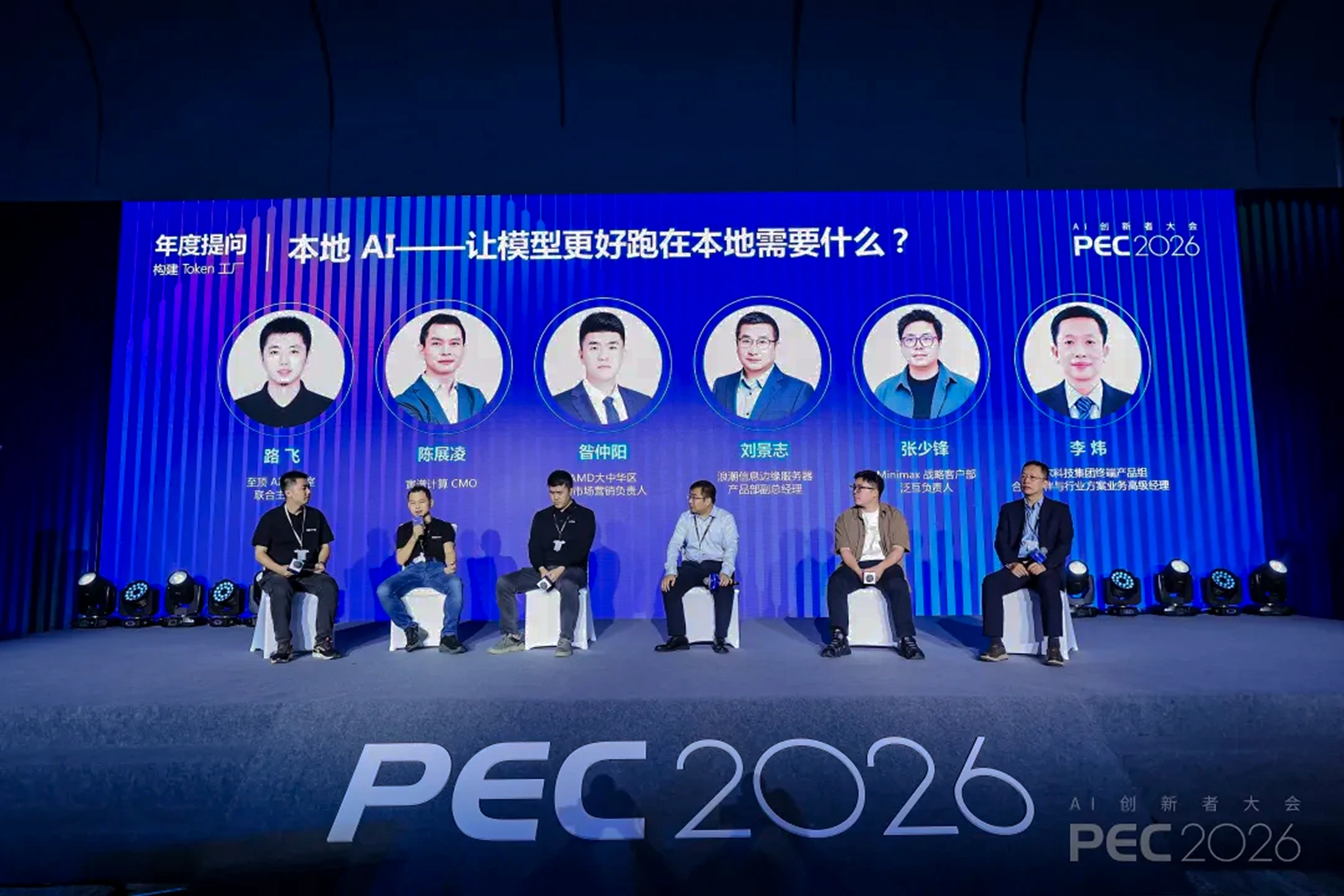
PEC 2026 Focuses on the Token Ecosystem and Local AI Adoption
As a major annual industry conference in China’s AIGC and large language model sector, PEC has focused on the real-world adoption of large models since its launch in 2024, bringing together participants across the industry, including algorithms, computing, hardware, and applications. With the Token ecosystem as its central theme, this year’s conference featured an annual dialogue, four roundtable discussions, a dedicated session on global expansion, and three afternoon workshops. A range of AI hardware products were also showcased at the venue, with hands-on testing based on real-world tasks. The “Local AI” roundtable focused on topics including private large-model deployment, edge AI inference, local Token costs, and the real-world adoption of AI hardware, reflecting the industry’s ongoing shift from purely cloud-based AI infrastructure toward collaboration between cloud and local computing.
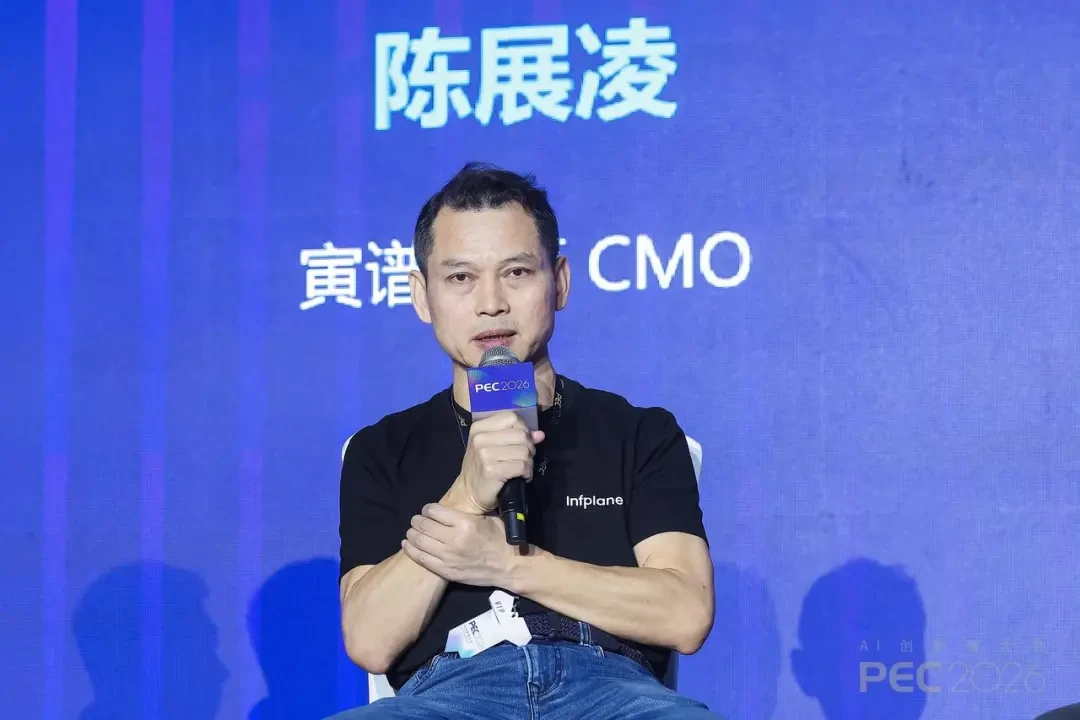
Zhanling Chen: Insights into Local AI Trends and System Selection
During the roundtable discussion, Zhanling Chen drew on Infplane’s experience in system-level design and intelligent control for AI infrastructure to share his views on local AI trends and system selection. He noted that users are not choosing local AI because cloud AI is inadequate. Rather, the role of AI itself is changing—from a tool into an integral part of real business workflows. Once AI enters production environments, three issues become unavoidable: data sovereignty and compliance, shifts in cost structure, and predictable response performance. For heavy users processing hundreds of thousands or even millions of Tokens per day, particularly in workloads involving long contexts and multiple tool calls, cloud-based Token costs increase with usage, while the cost of local devices tends to remain relatively stable. In such high-usage scenarios, Chen noted that local deployment can reach cost parity within approximately six to twelve months.
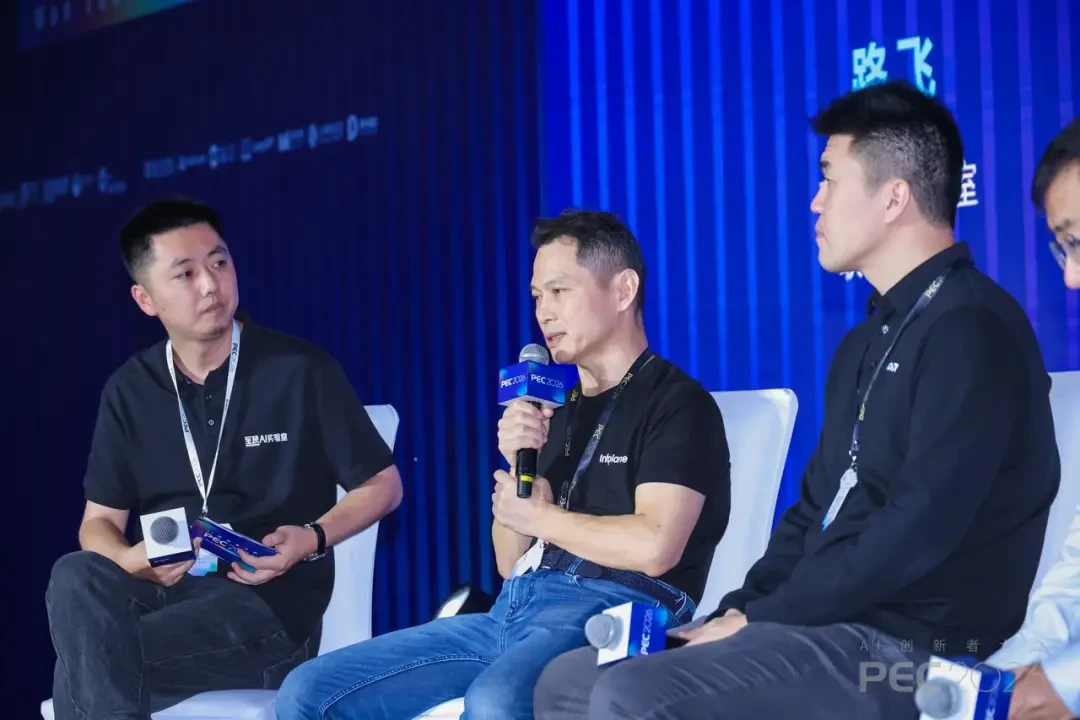
Chen also identified three typical local AI use cases: internal productivity platforms for knowledge-intensive enterprises; model fine-tuning and RAG testing for developers and startup teams; and embedded inference for industry applications where data is generated and consumed on site, such as industrial quality inspection and in-store analytics. When selecting hardware, he recommended a “scenario first, metrics second” approach, evaluating factors including VRAM capacity, VRAM bandwidth, system-level throughput efficiency, and ecosystem compatibility. For edge inference workloads, raw computing power is often not the determining factor; system-level efficiency and ease of use can be more critical.
Looking ahead to 2027, Chen believes that one of the most important challenges for local AI is to “make ease of use comparable to the cloud API experience.” Users should not need to concern themselves with VRAM, bandwidth, frameworks, or quantization—the system should simply work once powered on. At the same time, he emphasized the need to reduce efficiency losses across compute, VRAM, storage, and networking, so that every watt of power and every unit of cost translates into tangible improvements in the user’s inference experience.
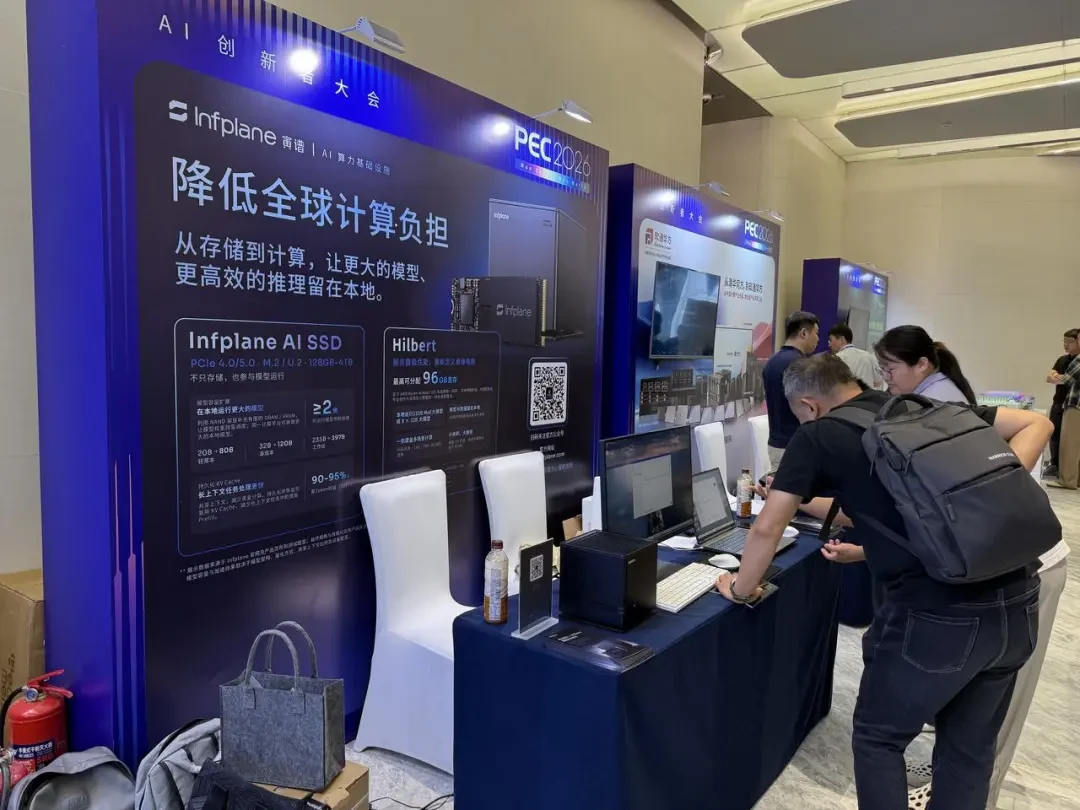
About Infplane
Infplane is an integrated circuit company with core technological strengths in Software-defined Chip Design and System-level Design & Control, specializing in integrated circuit design for AI infrastructure as well as system-level control and optimization. On the computing side, Infplane has developed two categories of products: ASICs specifically designed for LLM inference and computer system control systems. On the storage side, through technology extensions and collaboration with technology companies such as Maxio, Infplane has introduced a range of products, including AI SSDs and intelligent storage nodes. Through integrated circuit design for AI infrastructure and dynamic system-level control, Infplane is exploring opportunities for breakthroughs in computing and storage technologies for AI and other high-value application scenarios, laying a stronger foundation for AI applications through more efficient AI infrastructure.
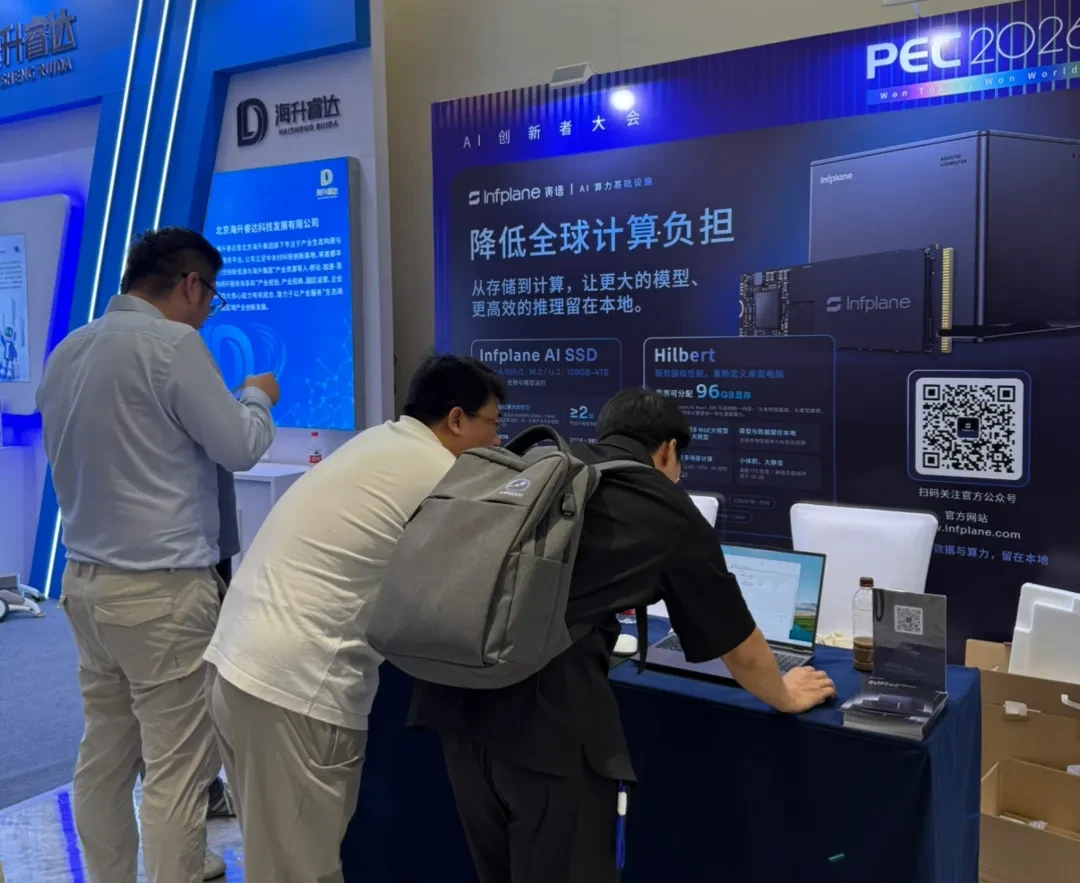
Infplane: Advancing Local AI Infrastructure
As large language models continue to evolve, local AI and edge inference have become important directions for real-world industry adoption. Infplane will continue to deepen its work in system-level design, dynamic intelligent control, and AI infrastructure optimization, advancing efficient, stable, and cost-effective local AI deployment. The company aims to provide reliable computing infrastructure for individual creators, AI startup teams, and enterprise customers, while supporting the continued development of local AI agents and the private large-model ecosystem.